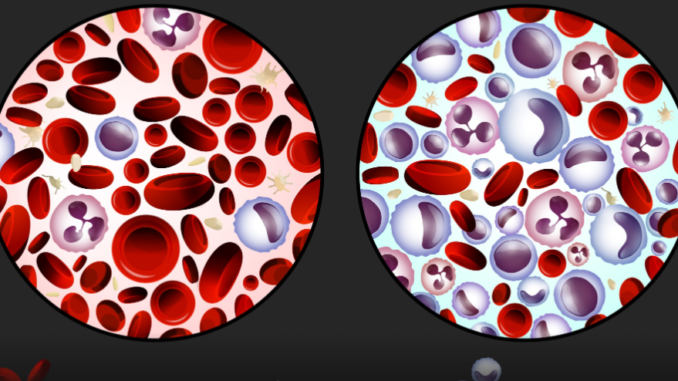

Blood cancer, also known as leukemia, lymphoma, or myeloma, is a serious disease that affects how blood cells are formed and function in the body. While the phrase “blood cancer kills fast” sounds alarming, the truth is more balanced:
blood cancers can progress quickly if ignored, but many people live long, meaningful lives when the disease is detected early and managed properly. What truly matters is awareness, lifestyle choices, and timely medical care.
When people talk about “stopping certain things in excess,” they are often referring to habits that weaken the immune system or interfere with the body’s ability to fight disease. First is excessive alcohol consumption. Alcohol can suppress bone marrow function, weaken immunity, and increase inflammation, making it harder for the body to cope with serious illnesses, including cancers.
Second is smoking and tobacco use. Tobacco introduces toxic chemicals into the bloodstream, damages DNA, and increases the risk of many cancers. For someone already vulnerable, smoking can worsen outcomes significantly.
Third is overuse of processed and ultra-refined foods. Diets high in sugar, unhealthy fats, and preservatives can promote chronic inflammation and weaken overall health. While food alone does not cause blood cancer, poor nutrition reduces the body’s resilience.
Fourth is misuse of medications and chemicals, such as unnecessary exposure to pesticides, industrial chemicals, or taking drugs without medical guidance. Some chemicals are known to affect bone marrow and blood cell production.
Lastly, chronic stress and lack of sleep are often overlooked. Long-term stress hormones can suppress immune function, while poor sleep disrupts the body’s natural repair systems.
Importantly, none of these factors mean someone will definitely get blood cancer. They simply influence overall health. The best protection is regular medical checkups, listening to your body, maintaining a balanced lifestyle, and seeking professional care early. Fear alone does not save lives—knowledge, balance, and timely action do.

Comments are closed.